

Cultural views on gambling exploring the global tapestry of beliefs and practices
The Historical Context of Gambling
The practice of gambling has ancient roots, stretching back thousands of years across diverse cultures. Early forms of betting can be traced to the Chinese around 2300 B.C. through rudimentary games of chance involving dice. Similarly, the Romans and Greeks engaged in various betting activities, which were often tied to religious and social practices. These historical contexts help illuminate how gambling has long been intertwined with human civilization, reflecting societal values and cultural norms. For those interested in further exploring this topic, a useful resource is https://goldzino.co.uk/.
In many ancient cultures, gambling was often seen as a way to engage with fate and destiny. The act of placing a bet or rolling dice was imbued with spiritual significance, as people believed that divine forces influenced the outcomes. For instance, the casting of lots in the Bible indicates a sacred approach to decision-making, where gambling was perceived not merely as a game but as a means of seeking divine guidance. This reverence for chance continues to influence modern attitudes toward gambling.
As gambling evolved, its acceptance varied significantly across different societies. While some cultures embraced it as a form of entertainment and social bonding, others condemned it as immoral or destructive. The shifting views towards gambling reflect broader societal attitudes toward risk, reward, and responsibility, making it a fascinating subject to explore in the context of cultural beliefs.
Cultural Attitudes Towards Gambling
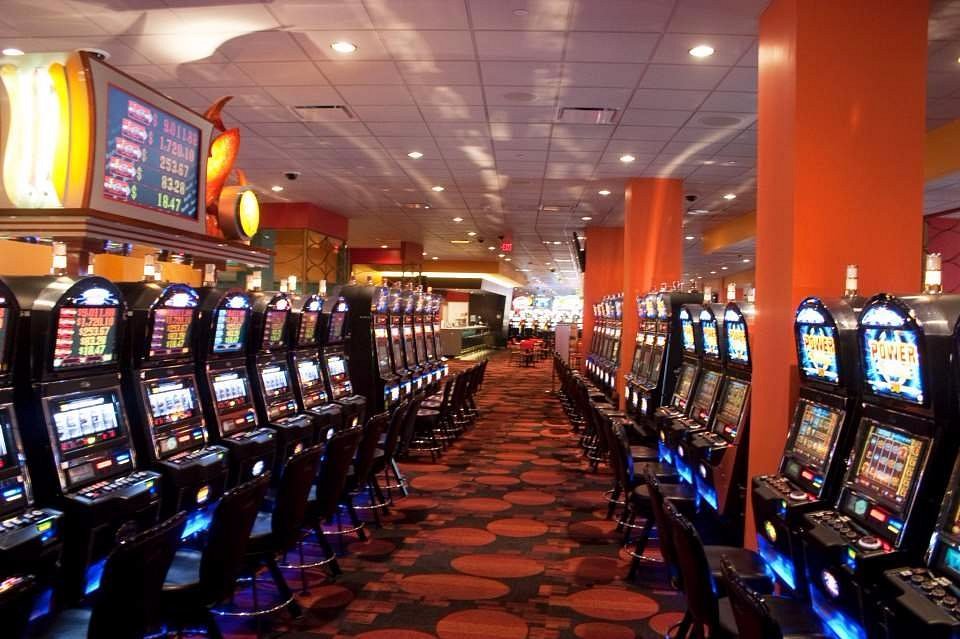
Cultural perspectives on gambling are as varied as the societies they emerge from. In many Western countries, gambling is often viewed through the lens of personal freedom and individualism, where the choice to gamble is largely seen as a matter of personal responsibility. Casinos, lotteries, and sports betting are prevalent, reflecting a cultural acceptance that supports both recreational activities and economic growth.
Conversely, in several Asian cultures, particularly in countries like China and Japan, gambling is frequently associated with superstition and social consequences. The Chinese New Year, for example, features various forms of gambling as a means of wishing for prosperity in the coming year. Yet, cultural taboos surrounding gambling persist, with fears of addiction and financial ruin influencing public opinion and governmental regulations.
These contrasting attitudes toward gambling illustrate a broader cultural narrative that encompasses morality, community dynamics, and socioeconomic factors. Understanding how different societies perceive gambling is crucial for grasping its role in cultural identity and social cohesion.
The Economic Impact of Gambling
The economic implications of gambling are substantial, making it a vital industry in various parts of the world. Regions like Las Vegas and Macau have transformed into vibrant gambling hubs, attracting millions of tourists each year. This influx of visitors not only supports local businesses but also generates significant tax revenue that can be reinvested in community services and infrastructure.
However, the economic benefits of gambling often come with hidden costs. Increased rates of addiction, crime, and social unrest can arise from the rapid expansion of gambling venues. Communities may struggle with the negative impacts on public health and welfare, prompting a re-evaluation of the balance between economic gain and social responsibility. This tension highlights the complexity of the gambling debate, where economic prosperity may not always equate to social well-being.
As governments increasingly recognize the potential economic benefits of regulated gambling, they are also grappling with the challenges of responsible gaming. Initiatives aimed at promoting safer gambling practices reflect a growing awareness that the economic allure of gambling must be tempered by a commitment to public health and ethical considerations.
The Role of Technology in Modern Gambling
The rise of technology has fundamentally transformed the gambling landscape, introducing new formats and platforms that challenge traditional norms. Online casinos, sports betting apps, and virtual reality gaming experiences have made gambling more accessible than ever. These innovations allow users to engage with gambling from the comfort of their homes, which has drawn in a younger demographic that may have previously shied away from brick-and-mortar establishments.
However, this technological evolution also raises concerns about accountability and oversight. The anonymity and accessibility of online gambling can lead to increased instances of addiction and financial mismanagement. As a result, many governments are now exploring regulatory frameworks to ensure that online gambling practices are conducted responsibly and transparently, echoing similar concerns seen in the physical gambling world.
Ultimately, the intersection of technology and gambling serves to illustrate the changing nature of cultural views. While some embrace these advancements as a sign of progress and innovation, others remain wary of their potential risks, reflecting ongoing debates about the role of gambling in contemporary society.
Gambling and Cultural Identity
Gambling is not merely a pastime; it often serves as a reflection of cultural identity and values. For many indigenous cultures, traditional gambling games are tied to rituals and social gatherings, providing a sense of community and connection to heritage. These games often carry historical significance, acting as vehicles for storytelling and cultural expression. In this way, gambling can reinforce cultural bonds and foster a sense of belonging.
In contrast, Westernized views of gambling often focus on individual success and consumerism, distancing the activity from communal ties. This divergence raises questions about the cultural implications of gambling practices and their ability to either unite or divide communities. Societies that view gambling as a social activity often experience a more integrated sense of community, whereas those that see it as a solitary endeavor may grapple with feelings of isolation.
Exploring gambling through the lens of cultural identity allows for a richer understanding of its significance beyond mere entertainment. It invites an examination of how various societies navigate the balance between tradition and modernity, community and individuality, enriching the global tapestry of beliefs and practices surrounding gambling.

Conclusion: The Evolving Landscape of Gambling
As the gambling landscape continues to evolve, so too does our understanding of its cultural implications. The varied beliefs and practices surrounding gambling reflect the complexity of human society, encompassing historical, economic, technological, and identity-related dimensions. By examining these facets, we gain insight into the broader narratives that shape our perceptions of gambling today.
Platforms like Goldzino.co.uk highlight the ongoing relevance of gambling in modern culture, providing resources and information tailored to consumer needs. Whether through entertainment, economic engagement, or cultural exploration, gambling remains a significant and multifaceted aspect of society. Understanding these dynamics is crucial for fostering responsible practices and enhancing the overall experience for individuals and communities alike.